
NEUROSTAR TMS FOR DEPRESSION
When Depression Keeps Getting in the Way, TMS Can Help
When getting through the day is a struggle and nothing seems to be working, it may be time for a different approach to mental health.

“This was a great experience, from when I sent the email inquiring about TMS, from getting screened by Dr. Chatterjee, to getting the TMS mapping. Everything moved very quickly. Everyone was extremely professional and considerate, the team makes you feel as comfortable as possible.”
<p>Hello, World
  Code
  Goes
  Here
  for
  TCT
  Tool
  !</p>

The #1 physician-recommended TMS treatment, accepted by most major insurance
A non-drug, non-invasive treatment proven to be more effective than medication for many patients with depression
FDA-cleared for depression, anxious depression, and OCD
Covered by most major insurance plans
276 TMS Treatments Delivered
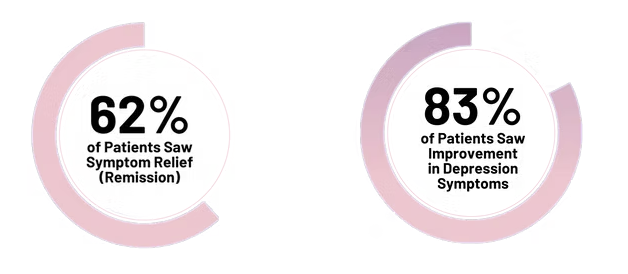
Patient results may vary. The outcomes shown represent the subset of study patients for whom the CGI-S data were reported before and after an acute course of NeuroStar TMS. Patients were treated under real-world conditions where they may have been prescribed concomitant depression treatments including medications. “Improvement in depression symptoms” was defined as a CGI-S score ≤3 and “symptom relief (remission)” was defined as a CGI-S score ≤2 at the end of treatment.
Sackeim HA, et al. (2020). J Affective Disorders, 277(12):65-74.
We Have A Clear Simple Way To Move Forward
Schedule an Appointment
Meet with a provider who listens and understands your concerns.
Personalized Treatment Plan
Together, we'll identify the therapies and treatments best suited for your needs.
Start Feeling Better
Move forward with confidence knowing you have a dedicated team supporting your progress.
276 TMS Treatments Delivered
What Makes TMS Different?
What is TMS THerapy?

TMS (Transcranial Magnetic Stimulation) works differently from medication. You can think of it like physical therapy for the brain. It uses gentle magnetic pulses to stimulate areas of the brain involved in mood, helping them become more active over time.
What makes it different:
No medication required
No sedation or downtime
Targeted—not whole-body effects
No down time
When does TMS make sense?

TMS is often explored when:
You want a non-drug approach
Medication side effects are difficult
You’ve tried therapy or medication without enough progress
Progress feels slow or inconsistent
Symptoms keep returning
You don’t want to keep guessing what to try next
What can you expect?
About 20 minutes per session
Typically 5 days a week for 6–8 weeks
You stay fully awake the entire time
No anesthesia needed
Listen to music, relax, or use your phone
Return to normal activities right after
Many people notice improvement after only a few sessions